4 min read | Industry Insights | Updated November 2026
Executive summary
- Uptime Institute's 2025 cooling survey (about 1,030 operators) finds direct liquid cooling use still gradual, with most sites relying on air.
- Rising rack density is the top reason operators move to liquid; standardization, cost and reliability are the top barriers.
- Most respondents believe liquid cooling becomes necessary above roughly 20 kW per rack, so the barriers are now planning problems, not physics problems.
What the survey actually measured
Uptime Institute ran its 2025 Cooling Systems Survey online between April and June 2025 and collected responses from about 1,030 data center operators and vendors. Respondents were spread across Europe, North America and Asia-Pacific.
The headline is measured: air cooling still dominates, and direct liquid cooling is present in roughly one in five sites that answered the cooling-type question. Adoption is real, but it has not yet become the default.
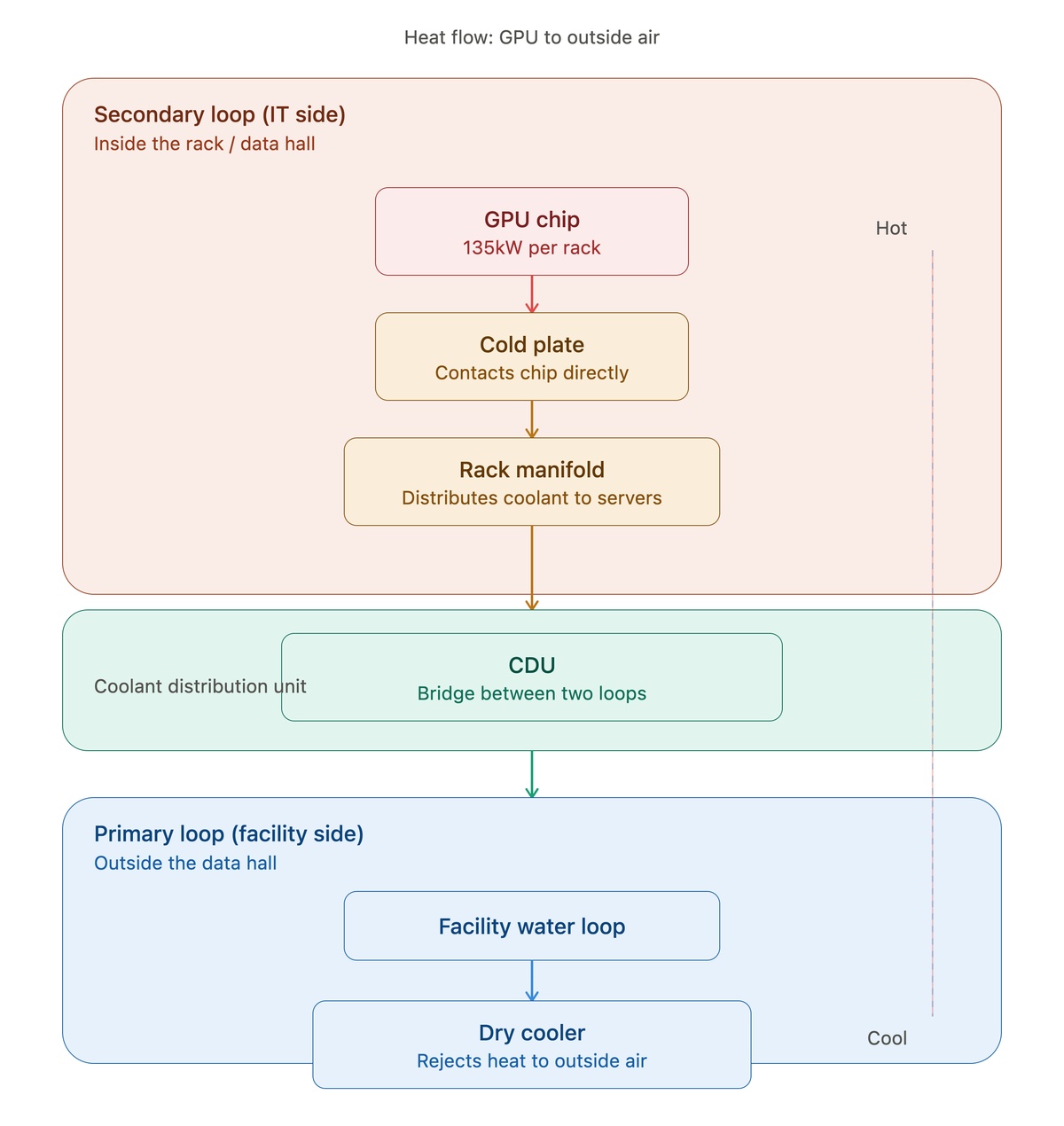
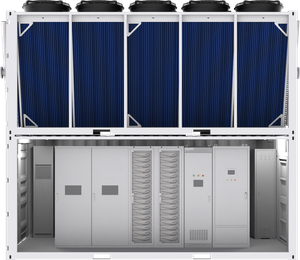
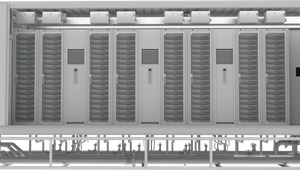
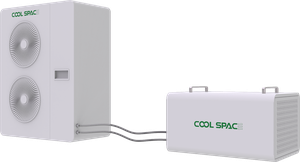
Figure 1. A typical liquid cooling loop: rack manifolds, CDU and heat rejection.
Why operators are moving: density
Higher rack density was the most cited driver of liquid cooling across the 2023, 2024 and 2025 surveys, at around two-thirds of respondents each year. High-powered individual servers came next.
When asked at what density air cooling becomes too costly, about three in four respondents named a figure of 20 kW per rack or more. That is within reach of today's AI racks, which is why the question has moved from "if" to "when and how".
Key number: roughly 20 kW per rack is where most surveyed operators say direct liquid cooling starts to be necessary.
What is holding adoption back
The three leading barriers were close together: lack of standardization (about 39%), cost (about 38%) and reliability concerns (about 35%). Respondents could pick up to two.
| Barrier | Approx. share of respondents | What it means in practice |
|---|
| Lack of standardization | 39% | Different connectors, coolant specs and CDU interfaces across vendors |
| Too expensive | 38% | Upfront cost and retrofit scope are hard to model early |
| Reliability concerns | 35% | Leak risk, pump redundancy and operating procedures |
Source: Uptime Institute Cooling Systems Survey 2025. Percentages are read from published charts and rounded.
What this means for project planning
None of the three barriers is a physics limit. Each can be reduced by design decisions made early: fixing the interface and coolant requirements, sizing the CDU and heat rejection for the real load, and designing redundancy and leak detection into the loop.
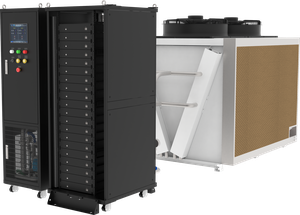
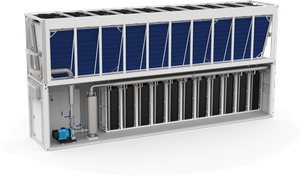
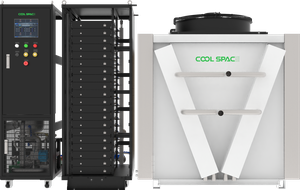
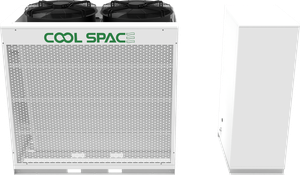
Cool Space builds liquid cooling infrastructure for AI data centers, including CDUs, dry coolers, cabinets and building integration, and tailors each system to the project rather than selling a fixed catalog.
Talk to a liquid cooling engineer about your density target and site constraints.
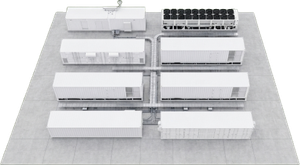
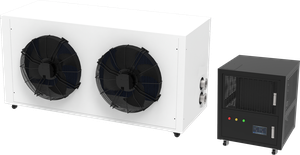
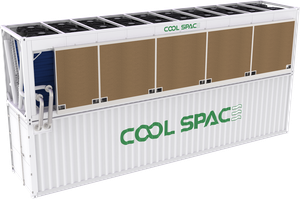
Figure 2. Liquid cooling equipment is configured per project.
Turning each barrier into a design requirement
Operators who move early tend to treat the barriers as an engineering checklist. Three questions, answered before procurement, remove most of the uncertainty.
- Standardization: write down coolant type, connector standard, supply temperature range and pressure limits, then require every vendor to confirm compatibility in writing.
- Cost: model the whole system, including CDUs, piping, heat rejection and commissioning, against the density you actually plan to run. A cooling plan sized for peak AI racks costs less than a retrofit done twice.
- Reliability: specify redundant pumps, leak detection, isolation valves and a documented maintenance procedure, and test failure modes during commissioning.
New builds have the advantage here, because piping, floor loading and heat rejection can be planned together. Retrofits are possible but need a careful survey of existing space, water routes and electrical capacity.
Reading the survey with care
The survey reports operator opinion and current practice, not performance results, and its sample mixes enterprise, colocation and hyperscale sites. Treat the percentages as direction, not as a forecast for any single project.
Uptime Institute has since published a 2026 edition (1,034 respondents) with a focus on continued direct liquid cooling adoption; its full results are gated, so this article relies on the 2025 data that is publicly readable.
Frequently asked questions
What share of data centers use direct liquid cooling?
In Uptime Institute's 2025 cooling survey, about 22% of respondents who answered the cooling-type question reported using direct liquid cooling, while perimeter air cooling was the most common at about 75%. Respondents could select more than one type.
At what rack density is liquid cooling needed?
Most surveyed operators said direct liquid cooling becomes necessary above roughly 20 kW per rack. The right threshold for a given site depends on climate, facility design and cost targets.
What are the main barriers to liquid cooling?
Lack of standardization, cost and reliability concerns were the three most cited, each named by roughly 35% to 39% of respondents.
How can operators reduce these risks?
Define coolant and interface requirements early, size CDUs and heat rejection for the real load, and plan redundancy and leak detection from the start. See the CoolBase liquid cooling unit for an example of a configurable system.
References
- Uptime Institute, Cooling Systems Survey 2025 (results and crosstab files)
- Uptime Institute, Data Report 181: Data center cooling (July 2025)
- Uptime Institute, Cooling Systems Survey 2026 (results and crosstab files)
Related: Contact Cool Space | CoolBase 1080A-W | Cool Space blog

 AI Data Centers
 Crypto Infrastructure