4 min read | High-Density Compute Data Center Infrastructure | Updated November 2026
Executive summary
- Rack-scale AI systems such as NVIDIA GB200 NVL72 are liquid-cooled by design, with full-rack power density around 120 kW.
- The facility, not the server, now sets the limit: coolant loops, CDU capacity, heat rejection and power distribution must be sized together.
- Plan for the next rack generation: designs that stop at today's load are the first to need a rebuild.
Why 120 kW changes the facility
NVIDIA describes GB200 NVL72 as a rack-scale, liquid-cooled system and cites a full-rack power density of 120 kW (NVIDIA, 2025). Reported figures for GB300 NVL72 reach up to 142 kW per rack (Data Center Knowledge, 2026).
That is far above what most halls were built for. Uptime Institute's 2026 survey shows average rack density rising slowly, while a growing number of operators report peak densities of 30 kW or higher (Uptime Institute, 2026).
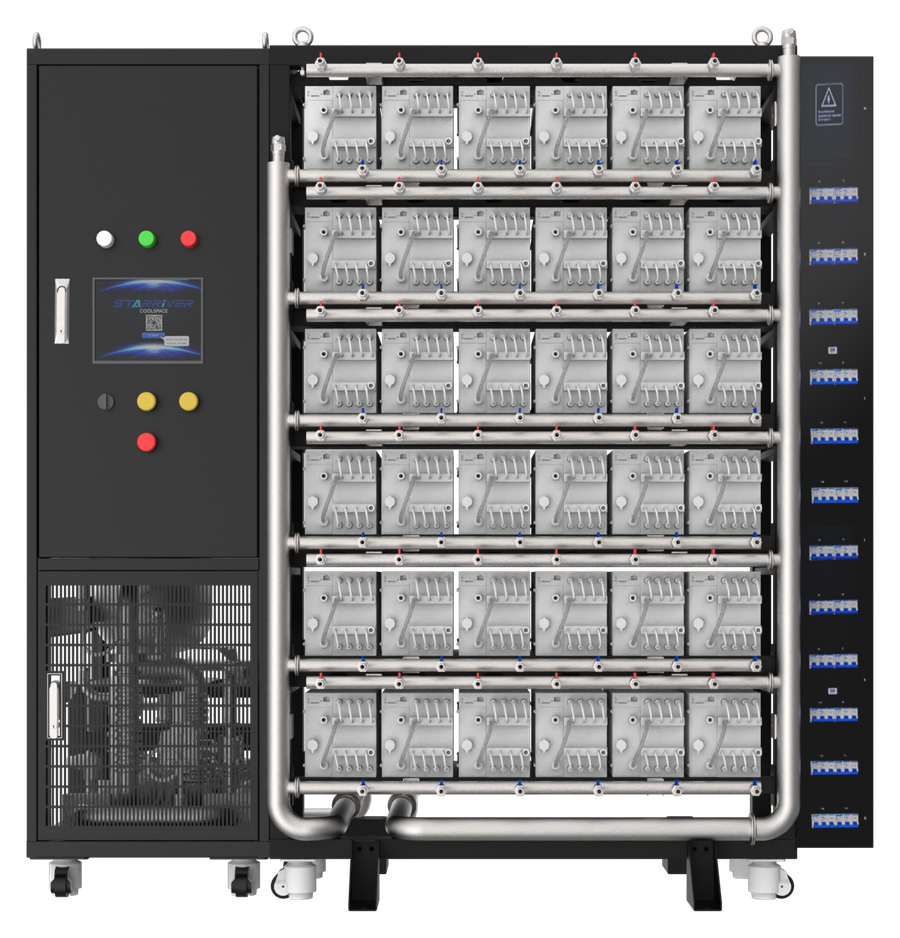
A liquid-cooled rack moves heat into a water loop at the source.
Air cooling becomes impractical above roughly 50 kW per rack; direct-to-chip liquid handles 100 to 150 kW.
Those two ranges are the figures cited by Data Center Knowledge in its August 2026 analysis of rack density limits. A 120 kW rack sits well inside the liquid range and well outside the air range.
What the facility must deliver
Treat the heat path as one chain, from chip to outdoor air. Each link must carry the full load with margin.
| Layer | What it must do | Sizing question |
|---|
| Rack manifold and cold plates | Deliver filtered coolant to every GPU and CPU | Flow per rack and pressure drop |
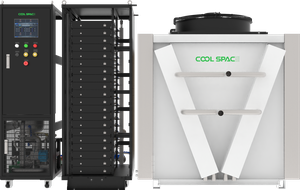
| Secondary loop and CDU | Isolate the IT loop and control supply conditions | Heat capacity per rack row, redundancy |
| Primary loop | Move heat to the outdoor plant | Pipe size, pump head, future expansion |
| Heat rejection | Dump heat to ambient air or water | Design ambient, up to 131°F, and water use |
| Controls | Keep supply stable as load swings | Monitoring, alarms and leak response |
Warm-water operation matters here. NVIDIA notes that data centers can run effectively on warmer water, reducing or eliminating mechanical chillers in a wide range of climates.
Talk to a liquid cooling engineer about how these layers fit your site.
Plan for the loop, not just the rack
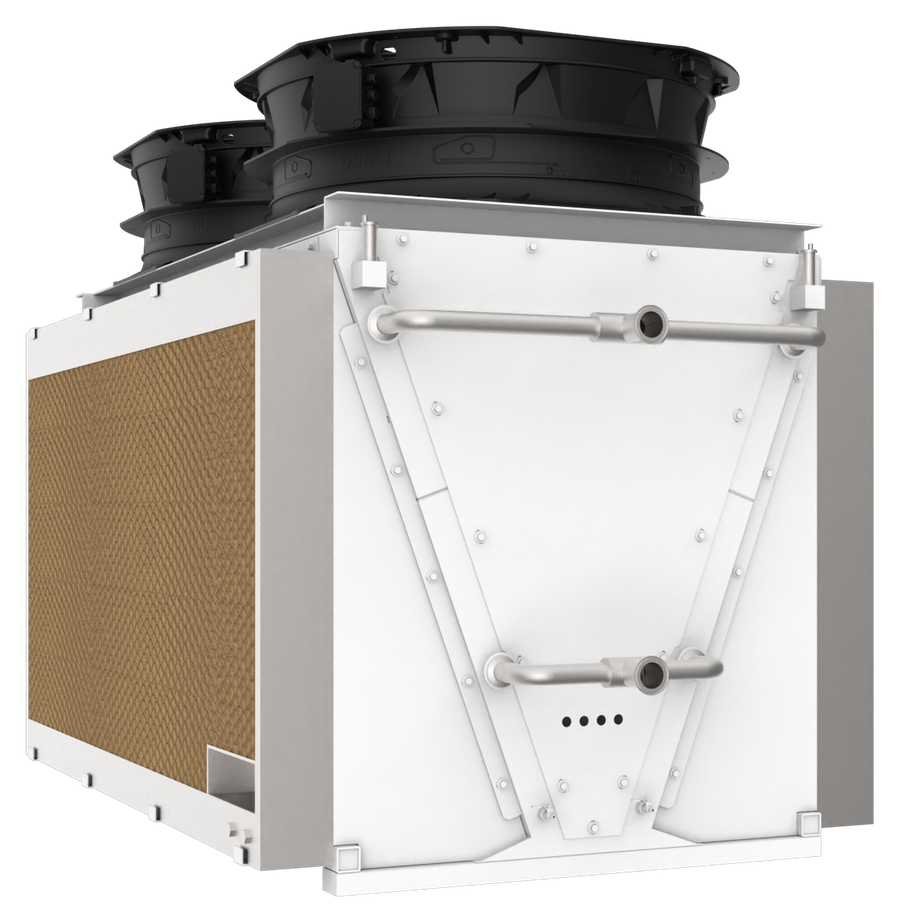
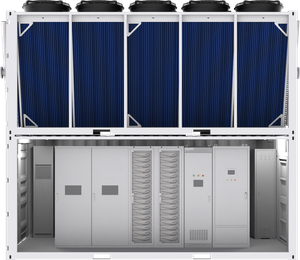
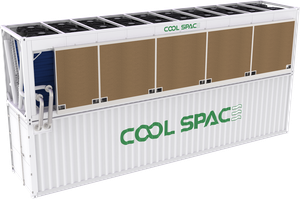
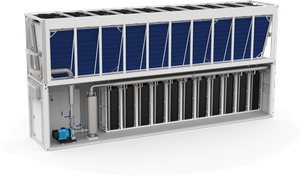
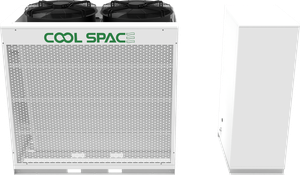
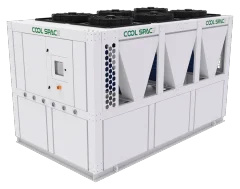
Dry coolers reject heat to outdoor air without evaporating water.
Closed-loop liquid cooling can cut water use sharply. NVIDIA claims 300x better water efficiency for GB200 NVL72 against traditional air-cooled architectures, a vendor figure that depends on the baseline. Test it against your own climate and heat-rejection choice.
Three planning rules help. Size CDUs for the final rack count, not the first phase. Keep the primary loop larger than day-one demand, because pipe is cheap to oversize and costly to replace. Choose heat rejection for your worst ambient day, not the average.
Power and the next generation
Cooling and power scale together. Data Center Knowledge reports that legacy 54 VDC rack distribution hits a hard limit above roughly 200 kW per rack, and that trade-press estimates for Vera Rubin NVL72 racks run between 190 kW and 230 kW (unofficial, as NVIDIA has not published a figure).
The practical takeaway: leave space, pipe capacity and electrical headroom for racks heavier than the ones you are installing now.
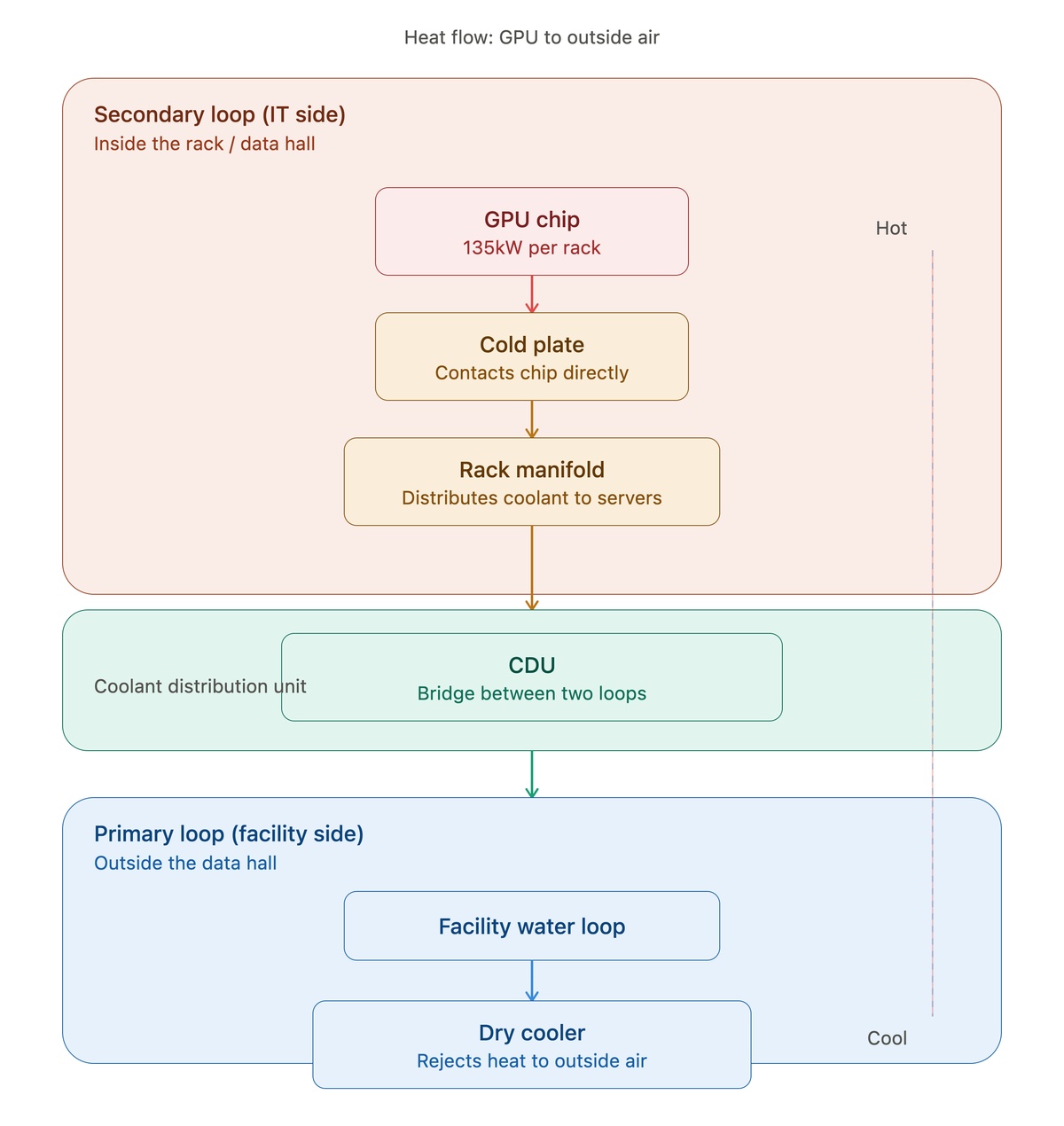
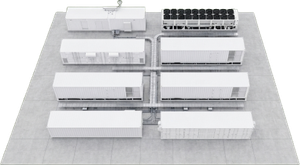
System flow: rack, CDU, primary loop and heat rejection.
A short checklist for operators
- Confirm the rack's maximum thermal load and coolant requirements with the system vendor.
- Size CDU capacity and redundancy for the final build-out.
- Match heat rejection to worst-case ambient, up to 131°F.
- Specify filtration, leak detection and monitoring from day one.
- Reserve power and pipe headroom for higher-density racks.
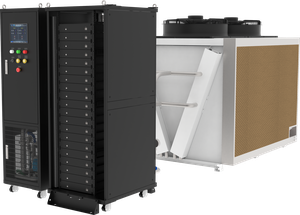
Cool Space designs each system around the project, so specifications follow your load, site and growth plan. See the CoolBase 1080A-W or talk to a liquid cooling engineer. More guides are on the Cool Space blog.
Frequently asked questions
How much power does a GB200 NVL72 rack draw?
NVIDIA cites a full-rack power density of 120 kW for GB200 NVL72. Confirm the exact figure for your configuration with the vendor.
Can air cooling handle a 120 kW rack?
No. Data Center Knowledge, citing Uptime, puts the practical air-cooling limit at roughly 50 kW per rack.
Do liquid-cooled racks need chillers?
Not always. NVIDIA notes that warmer water can reduce or eliminate mechanical chillers in a wide range of climates. Your site climate decides.
What should I size first?
Start with the final rack count and thermal load, then size the CDU, primary loop and heat rejection to match.
References
- NVIDIA: Blackwell platform boosts water efficiency
- Uptime Institute: 16th Annual Global Data Center Survey, 2026
- Data Center Knowledge: AI rack density's real limits

 AI Data Centers
 Crypto Infrastructure