Home / All / SR40 V3 FAQ / What site preparation is required to deploy the SR40 V3?

What site preparation is required to deploy the SR40 V3?

Update Time:2026/9/17

Short answer

Site preparation is deliberately minimal. The SR40 V3 needs a level, load-bearing concrete pad or engineered pier system, primary electrical feeds to the integrated power distribution unit, and standard plumbing tie-ins between the container's heat exchangers and the external dry cooling towers.

  • Level, load-bearing pad or pier system
  • Primary electrical feeds to the PDU
  • Tie-ins to external dry cooling towers
  • Minimized footprint, rapid install

Site readiness checklist

  1. Level, load-bearing surface — a hardened concrete pad or engineered pier system rated for the container.
  2. Primary electrical feeds — sized to the integrated power distribution unit (PDU).
  3. Heat-rejection plumbing — standard tie-ins connecting the container's primary heat exchangers to the external dry cooling towers.
  4. Access for delivery and service — space for hoisting equipment and for routine servicing around the unit.

What minimal site work looks like

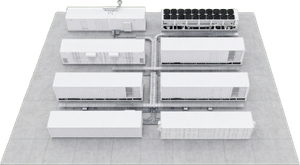
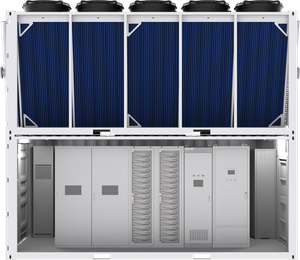
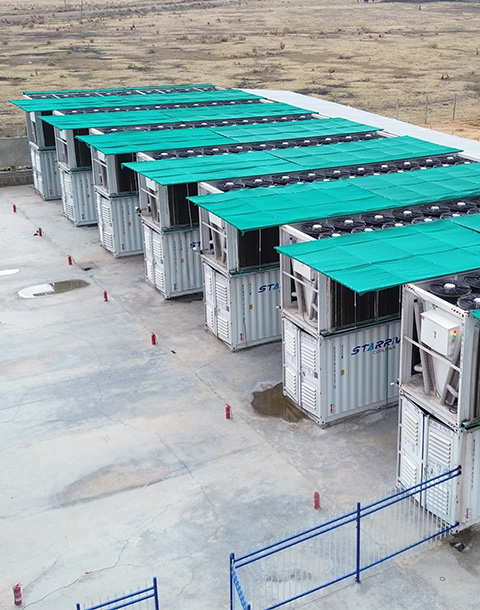
Containers with rooftop dry coolers installed on a simple prepared surface
Units set on a prepared surface — no permanent building required.
  • Everything arrives complete. ISO-standard 40HQ modules ship by sea, road or rail.
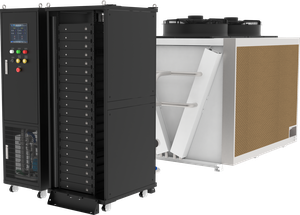
  • Fast to first power. A skilled team commissions a standard container in 2–3 days; a 12-miner micro skid connects within half a day.
  • Any flat outdoor site. The same site spec repeats for each additional block as the site grows.
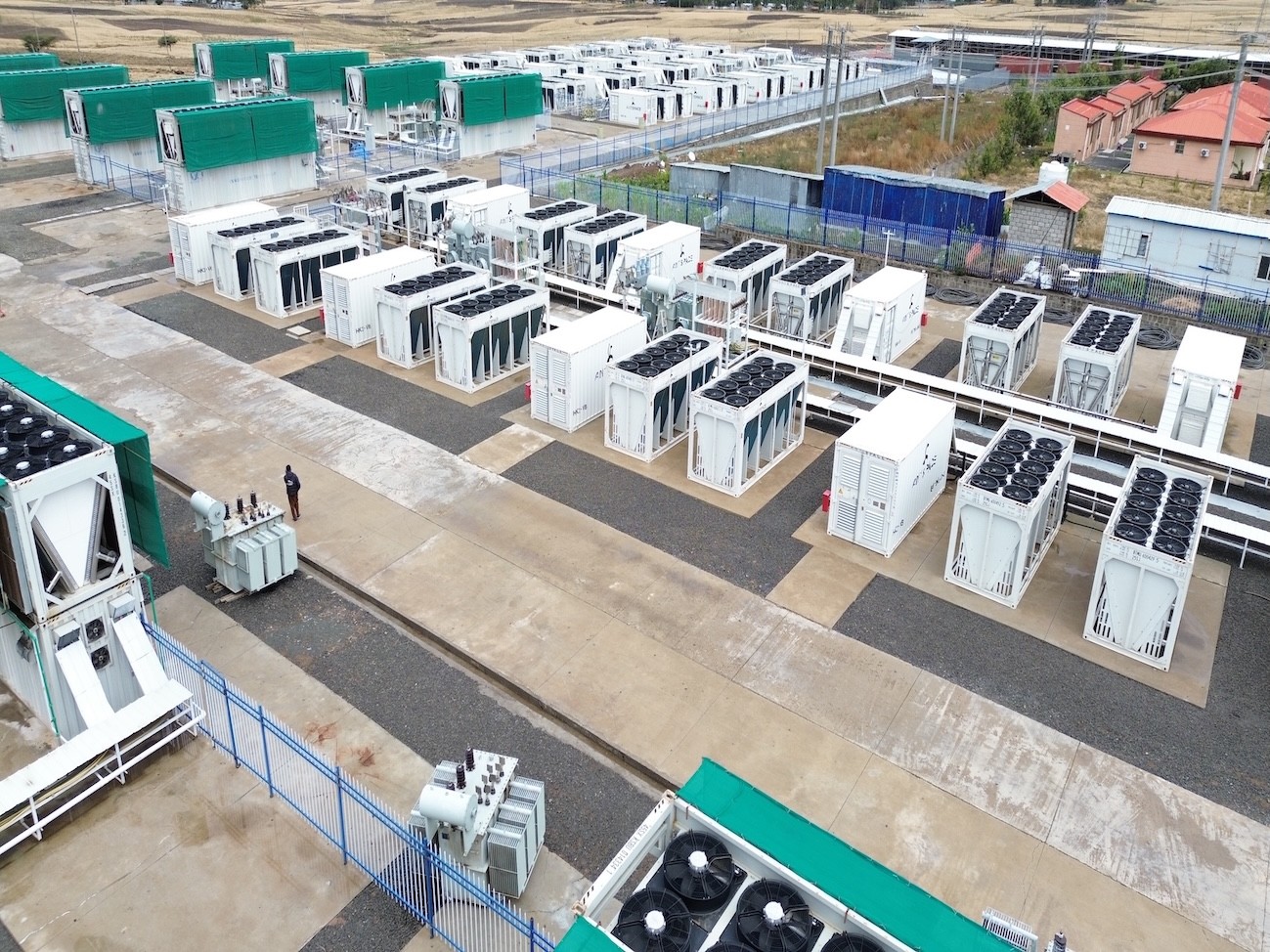
Aerial photo of containers installed on prepared ground
Installed units on a prepared site.
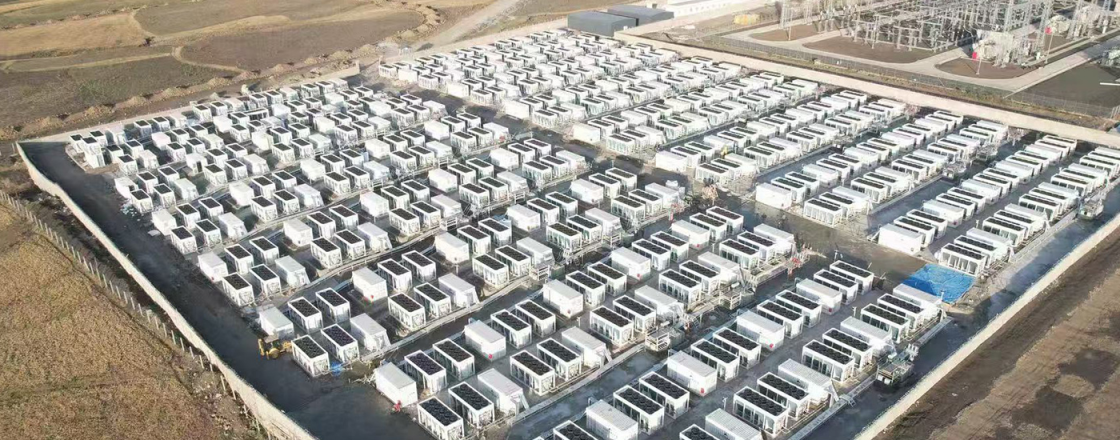
Aerial view of container rows deployed on open ground
Repeated site pattern across a larger deployment.

    Are you looking for a reliable supplier of cooling systems for large-scale hydro-cooling data center cluster?

    We can quickly provide customers with market analysis, technical support and customized services.