Home / All / Infrastructure Requirements & Cost Considerations / Ground and foundation requirements for installation?

Ground and foundation requirements for installation?

Update Time:2026/9/17

Short answer

A level, hardened concrete foundation or load-bearing steel frame is essential. Beyond that, the site needs to satisfy requirements for flatness, load-bearing capacity, reliable power supply, proper drainage, and space for equipment hoisting.

  • Hardened concrete or steel frame
  • Flatness within spec
  • Reliable power supply
  • Space for hoisting equipment

Site requirements checklist

RequirementWhy it matters
Level, hardened foundation or steel frameCarries the container's static and dynamic loads without settling.
FlatnessKeeps the frame loaded evenly and manifolds aligned.
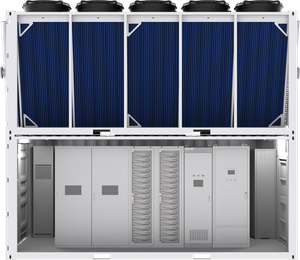
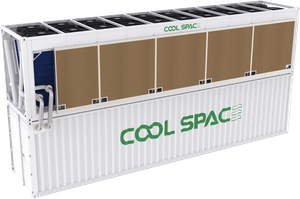
Load-bearing capacityA filled container plus dry cooler is a concentrated load on a small footprint.
Reliable power supplyFeeds the integrated PDU and the load it distributes.
Proper drainageHandles loop service water and site runoff.
Hoisting spaceCranes and delivery vehicles need room to place the module.

What a compliant site looks like

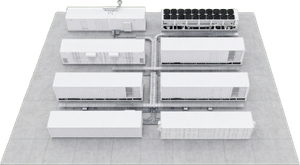
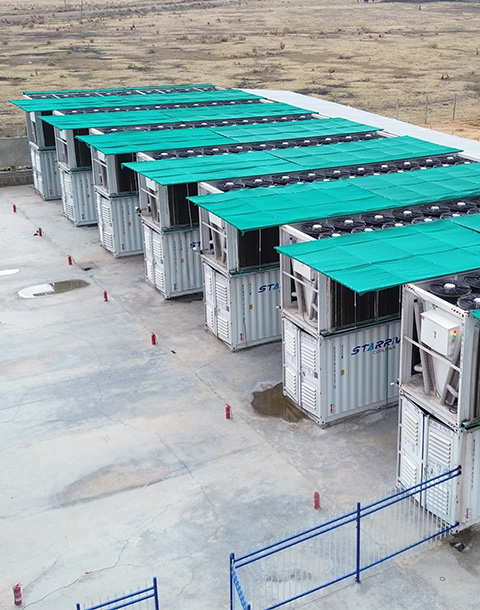
Containers installed on a prepared level surface
Units set on prepared ground — the foundation is doing its job invisibly.
  • Delivery is standard freight. ISO 40HQ modules arrive by sea, road or rail and need crane access on site.
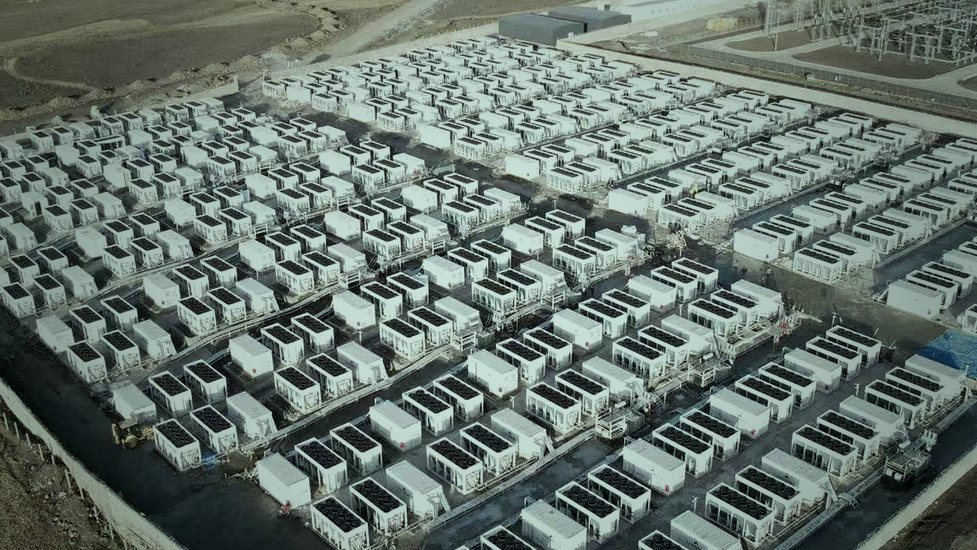
  • The spec repeats cleanly. Every additional block reuses the same foundation pattern as the site scales.
  • Good ground shortens the schedule. A compliant pad keeps the 2–3 day commissioning window realistic.
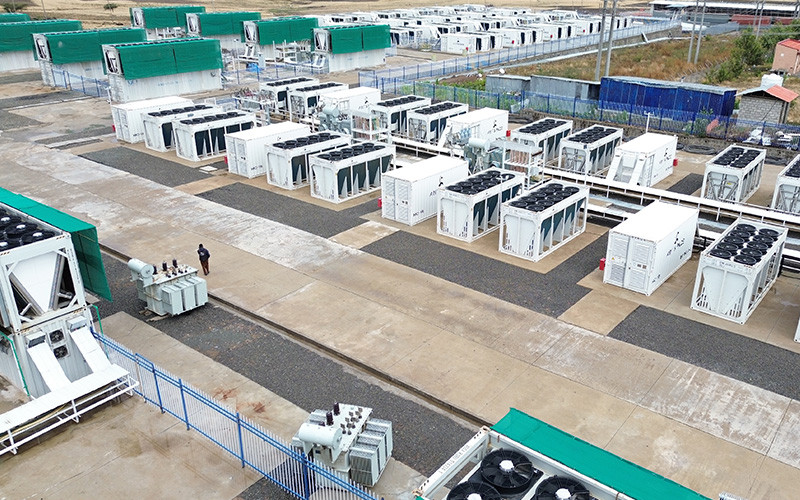
Aerial photo of containers on prepared ground
Prepared sites repeat across the deployment.
Aerial view of container rows on open ground
The same foundation logic at larger scale.

    Are you looking for a reliable supplier of cooling systems for large-scale hydro-cooling data center cluster?

    We can quickly provide customers with market analysis, technical support and customized services.