Environmental disposal and cost for waste coolant?
Update Time:2026/9/17
Short answer
Glycol-based waste coolant is classified as industrial wastewater and requires certified disposal. The material cost of new coolant is low — the total replacement expense is driven primarily by local waste treatment fees.
Glycol waste = industrial wastewater
Certified disposal required
New coolant material cost is low
Cost driven by local treatment fees
Where the replacement cost actually goes
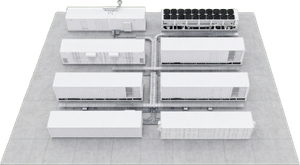
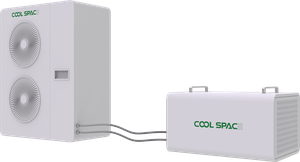
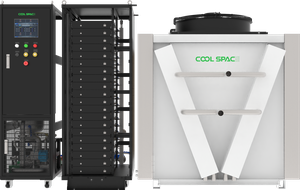
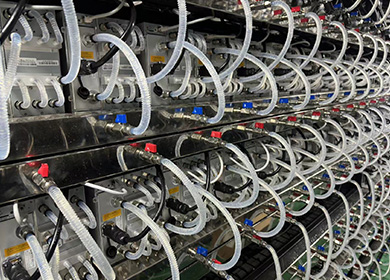
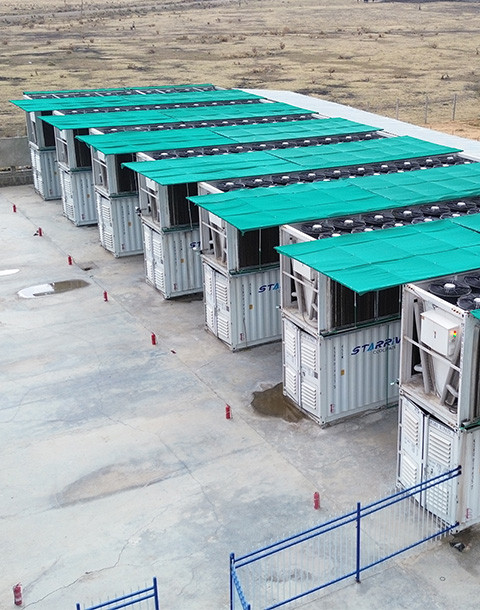
The loop that will eventually need a compliant fluid change-out.
The fluid itself is cheap. Material cost of new coolant is a minor part of the total.
Disposal is the regulated part. Glycol waste must go through certified industrial wastewater channels.
Location sets the price. Local waste treatment fees are the dominant variable in replacement cost.
Frequency is manageable. Quality-driven replacement — typically a 1–2 year cycle — keeps total cost predictable.
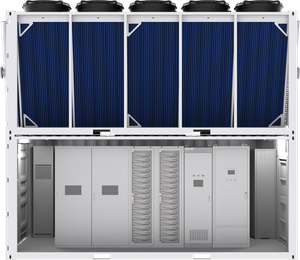
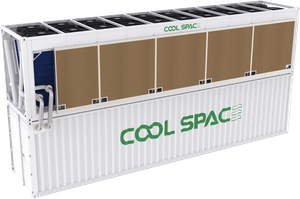
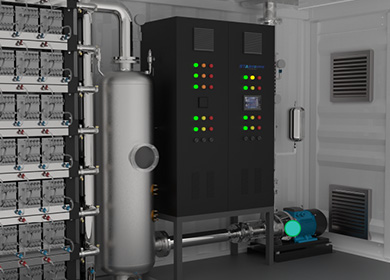
Clean fluid is what protects this hardware.Plan fluid change-outs into the site's operating budget.
Plan disposal into the O&M budget
Budget by location, not by liter. Ask for the local certified disposal channel early — treatment fees vary widely by region and dominate the replacement cost.