Home / All / Operations, Maintenance & After-Sales Support / Standard commissioning workflow and labor needs?

Standard commissioning workflow and labor needs?

Update Time:2026/9/17

Short answer

The standard workflow is fluid filling, air venting, flushing and pressure balancing, followed by electrical debugging and load testing. Typically two technicians complete full-load commissioning of a single system within 1–2 days.

  • Fill, vent, flush, balance
  • Electrical debugging and load testing
  • 2 technicians is typical
  • 1–2 days per system, full load

The commissioning sequence

  1. Fluid filling — loops are filled with the specified coolant.
  2. Air venting — trapped air is purged from the loops.
  3. Flushing — the loop is flushed to remove fabrication debris.
  4. Pressure balancing — branch circuits are balanced and verified.
  5. Electrical debugging — distribution, controls and interlocks are checked.
  6. Load testing — the system runs at full load and is validated against spec.

Why commissioning is short

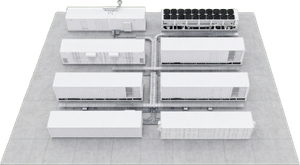
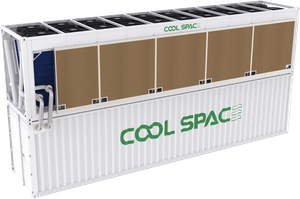
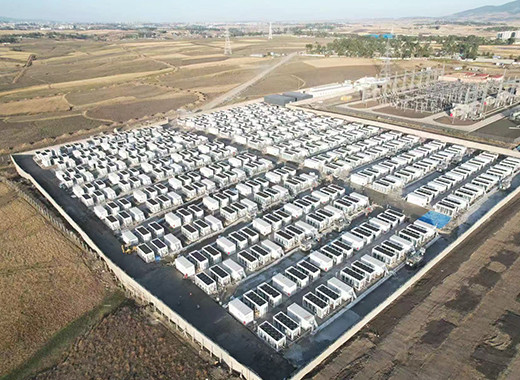
Containers installed and running on a prepared site
On-site time is spent commissioning — not assembling — a factory-validated system.
  • The hard work happened in the factory. Units arrive pre-integrated and thermally tested.
  • Two technicians is the norm. The workflow is deliberately compact.
  • Days, not weeks. A standard container reaches full-load commissioning in 1–2 days.
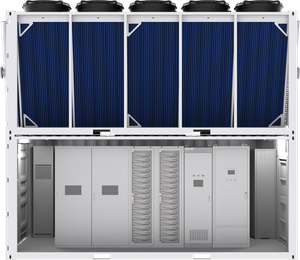
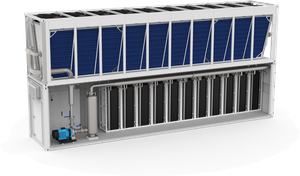
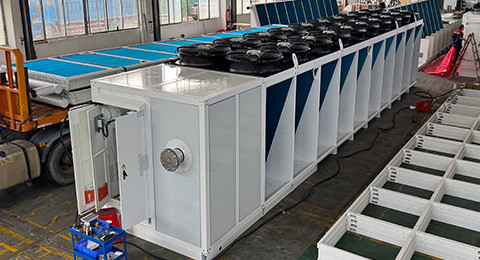
Containers in the factory before shipment
Validation before the unit ever leaves the building.
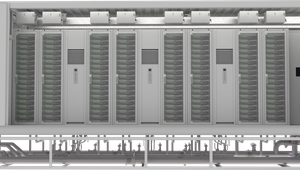
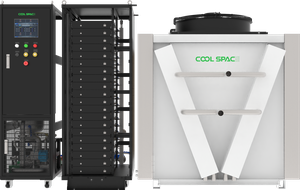
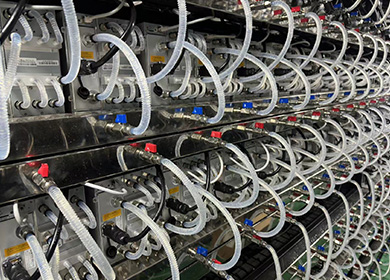
Loops that get filled, vented and balanced
The circuits the commissioning sequence walks through.

    Are you looking for a reliable supplier of cooling systems for large-scale hydro-cooling data center cluster?

    We can quickly provide customers with market analysis, technical support and customized services.