6 min read | Industry Insights | Updated November 2026
Most operators asking about AI capacity are really asking one question: can the building we already have carry liquid-cooled racks, or do we start over? The answer depends less on the cooling hardware than on floors, power distribution and the time you can afford to wait.
Executive summary
- Most existing halls were designed for roughly 5 to 15 kW per rack, while full AI training racks can reach 60 to 100 kW, so the gap is structural, not just thermal.
- Retrofits win on speed and upfront capital, and a dedicated liquid-cooled zone is the most common compromise. New builds win when density is consistently above 100 kW per rack or the structure cannot be adapted.
- Power distribution, floor loading and slab penetrations usually become the constraint before the coolant loop does.
Why this decision is back on the table
AI racks have moved far past what legacy rooms were built for. One consultancy guide notes that most existing data centers were designed for about 5 to 15 kW per rack with air-cooled servers, while a full AI training load in a 42U rack can reach 60 to 100 kW (GBC Engineers).
Timing matters as much as density. Utility interconnection timelines are stretching and primary-market vacancy has fallen sharply, which is why retrofits have become one of the fastest ways to bring incremental capacity online (Data Center Knowledge).
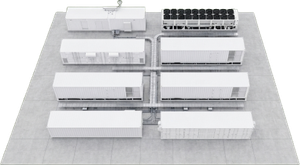
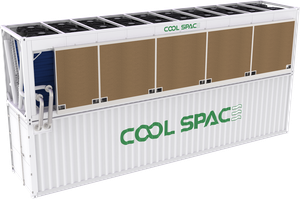
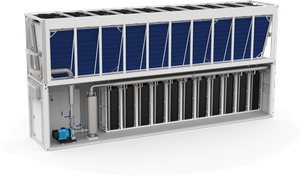
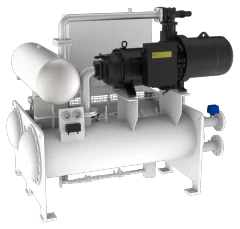
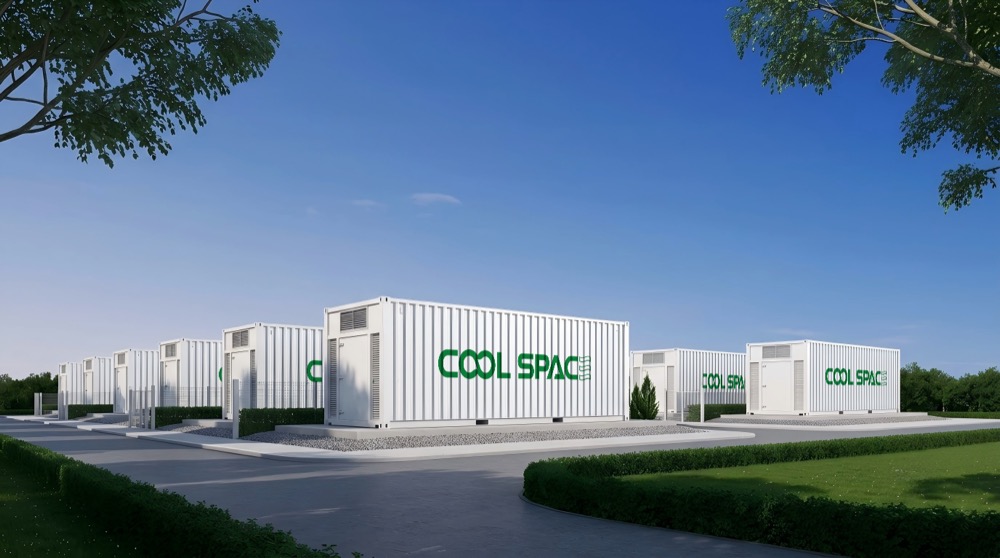
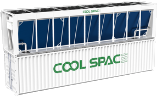
Figure 1: A modular, purpose-built liquid-cooled site is one route when an existing hall cannot be adapted.
Retrofit vs new build at a glance
| Factor | Retrofit | New build |
|---|
| Upfront capital | Lower, because the existing structure is reused | Higher |
| Disruption | High when work happens around live operations | None during construction |
| Efficiency potential | PUE of 1.2 to 1.4 is achievable with direct-to-chip and good design | Sub-1.2 achievable with a full liquid design |
| Best-fit density | Roughly 30 kW to above 100 kW per rack with direct-to-chip | Consistently above 100 kW per rack, or immersion planned from day one |
| Main risks | Floor loading, slab penetrations, plant room space, power distribution | Time to energize and higher capital |
Figures in this table are one consultancy's estimates (GBC Engineers) and will vary by site.
What usually limits a retrofit
Power distribution is often the first pressure point. An Uptime Institute analyst told Data Center Knowledge that above 40 to 50 kW per rack on average, power distribution becomes a bigger problem than cooling, and that a few rows of modern AI racks can draw as much as an entire legacy hall.
Weight is next. High-density AI racks can weigh up to 1.5 metric tons, and a coolant distribution unit (CDU) for a 250 to 500 kW loop typically weighs 400 to 800 kg (about 880 to 1,760 lb) by the same guide's estimate. Commonly installed raised floors are rated well below what a loaded multi-story hall may need, so a structural check belongs at concept stage.
Key number: practical air-cooling difficulty typically emerges above about 30 kW per rack, according to ASHRAE TC 9.9 as cited by GBC Engineers.
Piping is the third constraint. Cutting new penetrations through hollow-core slabs after the fact risks structural damage and needs engineering sign-off at each location, and late coordination can push pipe routes over the raised floor.
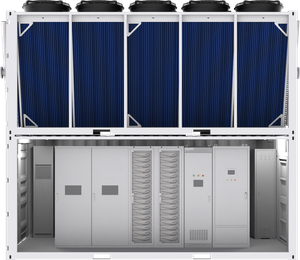
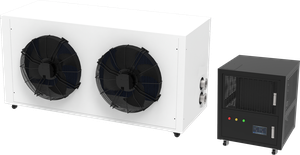
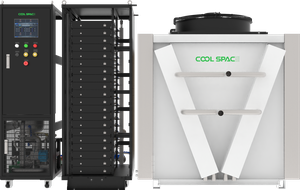
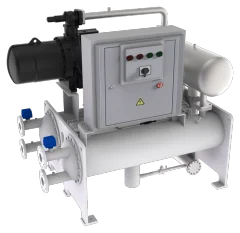
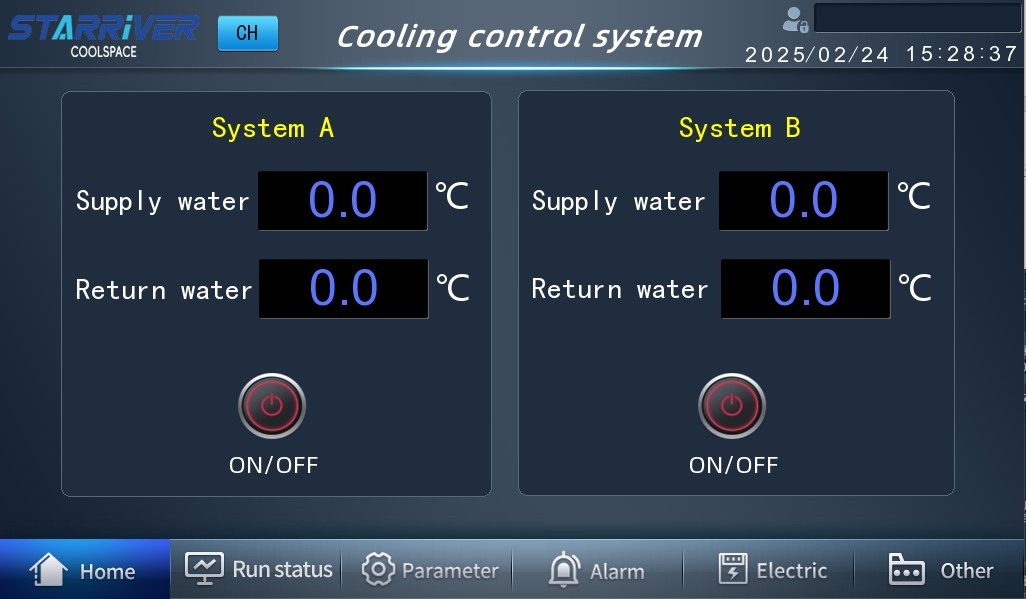
Figure 2: Controls tie the CDU, pumps and heat rejection together, and they are planned from the first design review.
When a hybrid zone beats both options
For many sites the practical answer is neither extreme. A dedicated liquid-cooled zone lets you serve the densest racks while the rest of the hall keeps running on air. One industry analyst quoted by Data Center Knowledge puts practical ceilings around 20 to 40 kW per rack as AI moves into existing sites, and says self-contained racks and liquid-to-air systems can reduce retrofit cost and complexity.
The same coverage notes that retrofitting will never completely remove the need for greenfield development. Plan liquid cooling infrastructure even if you are not deploying it yet, so a later step up in density does not mean a second round of disruption.
A five-step way to decide
- Set the target rack density for the next two hardware generations, not only the current one.
- Run a structural assessment for CDU locations, rack weight and slab penetrations.
- Check electrical capacity from the utility feed down to the rack.
- Confirm plant room space and whether the existing facility water loop can meet the flow requirements.
- Compare time to first rack and total cost of ownership, then choose retrofit, hybrid zone or new build.
Cool Space tailors each CDU and heat rejection package to the project rather than offering fixed specifications. Talk to a liquid cooling engineer about your site constraints.
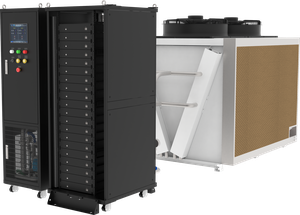
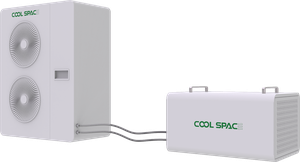
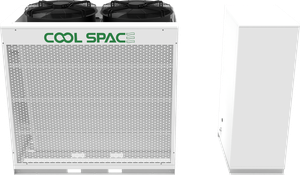
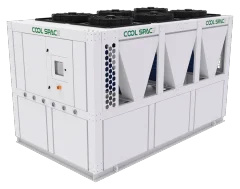
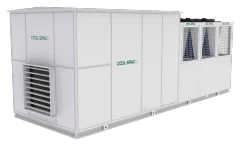
Figure 3: Packaged cooling modules can simplify delivery where building space is tight.
Frequently asked questions
Can an air-cooled data center be retrofitted for liquid cooling?
Often yes, especially with direct-to-chip cooling in a dedicated zone. Floor loading, slab penetrations, power distribution and plant room space decide how much density the building can take.
At what rack density does a new build make more sense?
One consultancy guide suggests a new build when target density is consistently above 100 kW per rack, when immersion is planned from the start, or when the structure has significant limitations.
Is immersion cooling practical in a retrofit?
It rarely is, according to the same guide. Direct-to-chip and rear-door heat exchangers are the usual retrofit choices.
What should I check first?
Start with electrical capacity and a structural review. Both can rule out an option before any cooling design begins.
Related reading
Continue with our guides on how to specify a CDU for a multi-megawatt project, dry cooler vs cooling tower, the AI data center cooling page or the CoolBase 1080A-W.
References
- GBC Engineers: Retrofit vs New Build, Liquid Cooling in Data Centers
- Data Center Knowledge: AI Demands Stretch the Limits of Data Center Retrofits

 AI Data Centers
 Crypto Infrastructure